 Jason Williams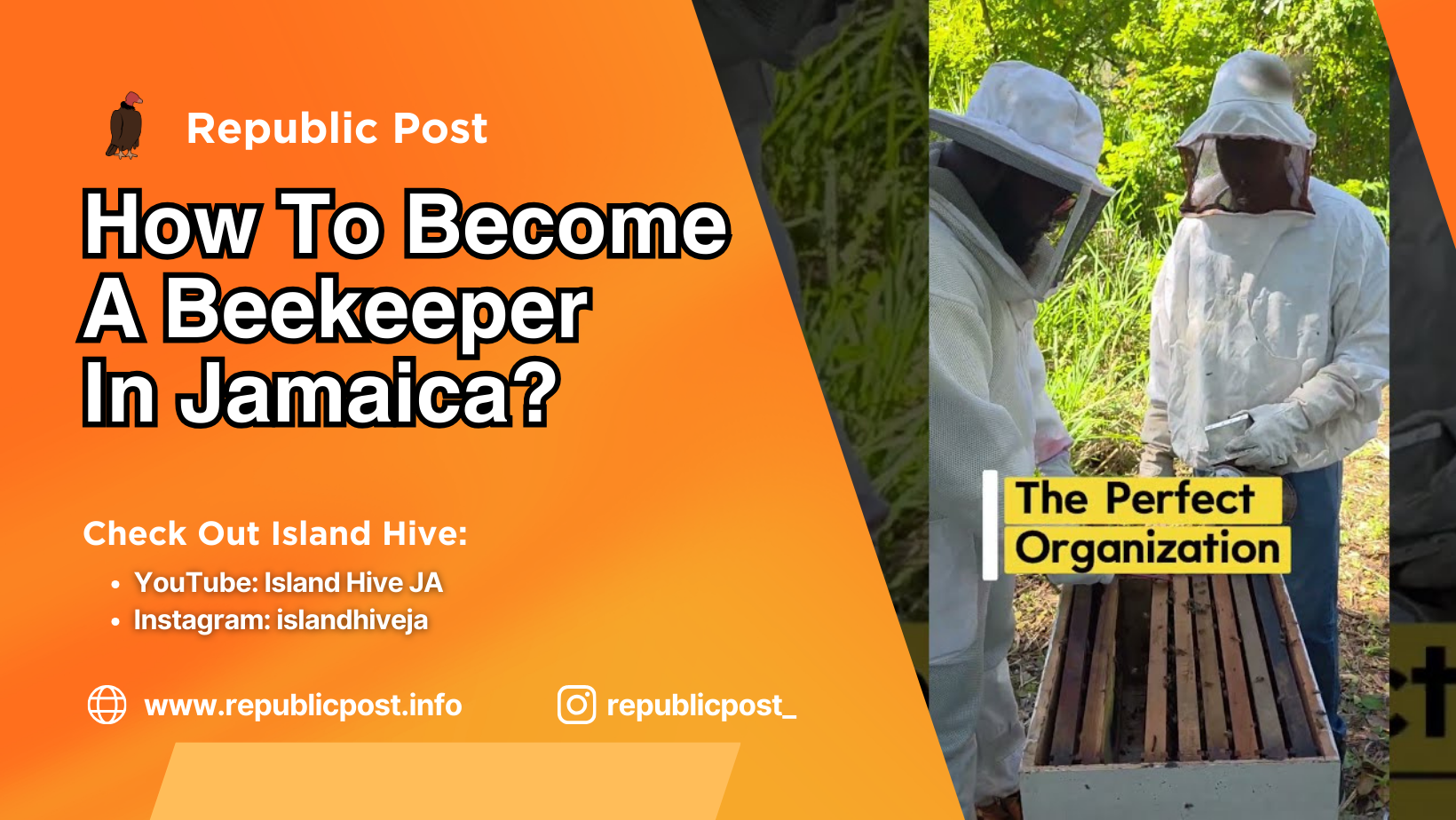
Overview
Did you know that without bees, this world would end? Bees form an integral part of our global food supply. They are responsible for pollinating about a third of the food we consume. Due to this fact, many beekeepers believe that they are helping to save the world(quite the grand mission).
According to the Jamaica Information Service, “While the most well-known of such bee-produced food is honey, there is also royal jelly, pollen, and beeswax. Other bee-related products include propolis and honeybee venom. Beekeeping also provides a critical source of income for many persons and can be a very lucrative venture, particularly through the sale of honey.”
Becoming a beekeeper is the ultimate win-win: you can build a profitable business through diverse hive by-products while playing a vital role in global conservation. I interviewed the founder of Island Hive JA, Kevel Campbell, to provide a thorough understanding of what it takes to become a beekeeper in Jamaica.
By the end of this guide, you’ll have a profound new appreciation for the art of beekeeping and the vital role these creatures play in our world.
ADVERTISEMENT
Note Well: Apiculture is the official term used for beekeeping. Derived from the Latin word apis (bee) and cultura (cultivation), it is defined as the intentional maintenance and management of honeybee colonies, typically in man-made hives, by human
Interview with Kevel Campbell
To keep things authentic, I sent over text questions and received deep-dive audio answers in return.
Jason: How can someone start Beekeeping in Jamaica?
Kevel:
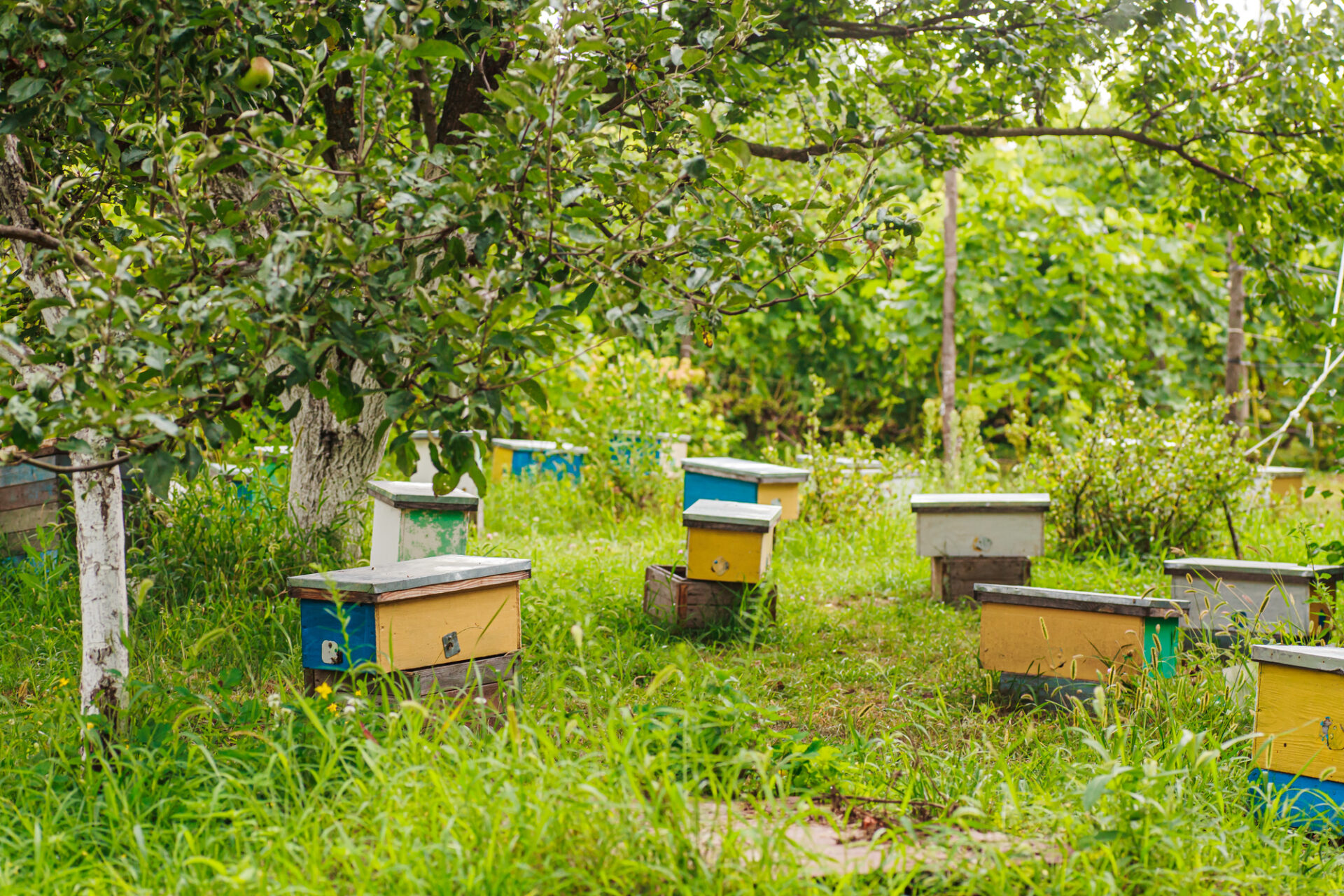
Jason: What exactly is a box? How many do you recommend that a person start with?
Kevel:
Jason: Can this be a full-time business? As in, can you earn enough to buy a house and/or GLE?
Kevel:
Note Well: Beeswax has a long list of benefits. In skincare, its moisturizing and anti-inflammatory properties make it a staple ingredient for high-quality balms, salves, and lotions.
In the home, it is the gold standard for clean-burning, long-lasting candles and serves as a natural, eco-friendly alternative for food wraps and furniture polish.
Beyond consumer goods, its protective qualities make it ideal for industrial use, including waterproofing leather, lubricating threads for tailoring, and preventing rust on metal tools in humid climates.
Jason: Where do you get your bees?
Kevel:
You can check out Ital Honey on Instagram.
ADVERTISEMENT
Jason: What’s the story behind IslandHiveJa?
Kevel:
Jason: Can anyone join your team at IslandHiveJa, and if so, how?
Kevel:
Jason: How can someone purchase honey from IslandHiveJa, and do you deliver?
Kevel:
Jason: I once heard that the world would end without bees. How important are Bees to the country and the wider world?
Kevel:
Jason: Are there any local BeeKeeping myths that you would like to debunk? Any advice on how Jamaicans should treat bees that they come across?
Kevel:
Jason: A lot of Jamaicans reported seeing bees at home(and other places) after the hurricane. Could you tell us why this happened?
Kevel:
Jason: What are the biggest threats to Bees and the overall health of the hive?
Kevel:
Jason: Aside from Boxes, what equipment would you need, and what’s the cost?
Kevel:
Jason: Can you explain the process of how honey is made? Also, how do you extract honey and bottle it?
Kevel:
Note Well: You heard him! Honey is essentially Bee Vomit. YOU have been drinking bee vomit!
ADVERTISEMENT
Jason: Many young people view agriculture as ‘back-breaking work with low pay.’ How would you pitch beekeeping to them?
Kevel:
Jason: Do you know of any grants available for BeeKeeping? Are there any associations or general legal fees involved?
Kevel:
Jason: Where do you see the Jamaican honey industry in the next 5 years? Are we ready for large-scale export, or should we focus on local demand?
Kevel:
Jason: What are some major lessons from your BeeKeeping Journey so far? Would you have done anything differently?
Kevel:
It’s A Win-Win Situation
For those with available land and a drive to succeed, the path to becoming a beekeeper is both clear and profitable. One of the things that stood out was the number of young people going into beekeeping.
A lot of the youth are looking for alternatives, and beekeeping sounds like a good fit. The local demand for honey(and its by-products) currently isn’t being met, so there is a lot of room for new entrants.
The drive for new talent is already underway. According to an Observer report, “Smith noted that young people are actively entering the sector via 4-H clubs and the Social Development Commission, with the national apiculture unit working closely to ‘bring them on board.‘”
I would personally like to see some small apiaries(think of it like a bee farm) become medium and even large scale enterprises. Perhaps Island Hive could consider expanding? Regardless, this sector has a lot of potential for local creativity( for example, creating wax sculptures) and export.
If the industry expands as I hope, our local unemployment rate will decrease. Since Island Hive is active on social media, it will assist with attracting more people(young and old) to beekeeping.
Truth is, we have barely begun to scratch the surface. Back in 2022, the beekeeping industry earned about 2.6 billion.
On February 23, 2025, the Bank of Jamaica (BOJ) announced an interest rate cut, citing a ‘faster than expected improvement in agricultural supplies’ as a key driver for the decision. Agriculture can play a key role in improving our nation’s GDP(Gross Domestic Product).
ADVERTISEMENT
About Author